
Bougie Miles may receive commissions from certain affiliates. BougieMiles.com has partnered with CardRatings for our coverage of credit card products. BougieMiles.com and CardRatings may receive a commission from card issuers.
In This Post
Tokyo City Guide: Where To Stay, How to Get There, and More!
Tokyo is one of my favorite cities in the world. It really does offer one of my favorite “packages” of any city that I’ve visited. Amazing food? Check. Cheap hotels? Check. Easy to get around? Check. Friendly People? Check. And best of all, a seemingly endless amount of things to do.
But, if this is your first time visiting Tokyo, then it will seem like a daunting challenge. There are so many hotels, so many neighborhoods, and so many other important things that will factor into planing your trip there. But, after reading this article, you will feel at ease about this mega city. Not everything will be covered in this article, as this one will be more about planning your trip and Part 2 will be about where you can stay.
Let’s get into it!
Important Tips to Know About Tokyo:
Before we get into the fun stuff, it’s important to note a few things about Tokyo:
Tokyo is an extremely safe city.
Although this city has about 40 million people, you can be out until the early hours of the morning, take trains at all times of the day, and go through alleyways without any hesitation. That’s not to say crime doesn’t happen, but compared to basically another city in the world you have nothing to worry about.
Your feet will hurt. 😉
Even if you’re taking trains everywhere, huge stations and long underground corridors can add up quickly.
Even if you take trains rather than walk, the large stations and activities you do in the city will lead to a lot of walking each day. Thus I would recommend wearing comfortable shoes throughout Japan.
English is very rarely spoken.
You don’t need fluent Japanese, but you should be comfortable using translation apps and pointing at menus.
You don’t need to speak Japanese – a translation app will do the trick throughout Japan. But don’t expect any English outside of airports, American hotels, and tourist attractions. Pretty much all signage is in English, but people don’t speak a lot of English.
Cash is still popular.
Tokyo is very cash friendly. The hype about this online is overblown, but carrying 5-6,000¥ ($32-38) is good just in case.
When Should you visit Tokyo?
Tokyo is a year-round destination, but timing does matter.
There are pros and cons to visiting Tokyo during each season. I have personally visited twice in the summer and once in the winter. Personally I preferred the winter as the cold didn’t bother me as much as the hot did, but I do miss some aspects of the summer.
Pros and Cons of Each Season:
- Spring (March–April): This is Sakura season meaning the scenery is even better than it usually is. The climate is not too hot or cold. But, it is the most popular time to go, meaning sights will be busy and prices high. Golden Week is also in April, meaning Shinkansens may be sold out.
- Fall (October–November): The weather is about the same as in March and April but there is also a lot more rainfall. However there is also far fewer tourists.
- Winter (December–February): Outside of New Years there are not many tourists. The weather is around 50°F each day as the high, and although there’s the chance of snow it’s rare.
- Summer (June–September): This is the time some might consider to be the worst time as it is both crowded and hot, but I do enjoy it for the festivals and ability to swim to the ocean (more on that later). The heat, however, really is brutal.
How many days should you spend in Tokyo?
This is a very subjective question, and it really depends on a few factors, which include how much you want to “push yourself” each day, how much time you have available, and also if you want to visit any other Japanese cities. During my first visit to Tokyo I spent 3 weeks without leaving the city and that felt like not enough time, but I have also spent 3 days there for my 3rd visit in order to prioritize other cities. I think the key part is how active you want to be. On most days I leave my room at around 10AM and am not back until 10-11PM, but of course if you are older that is going to be a lot different of a scenario. Here are my breakdowns of how much to spend:
- 4 days: This is enough for going to all of the most iconic Tokyo sights.
- 6 days: If this is your first time in Tokyo, then this is probably the right balance of time. If you want to visit another city for the day then this gives you time for that.
- 7+ days: With 7 days in the city, you can really see a lot of what this city has to offer. But if you are in Japan for more than 2 weeks I’d recommend going to another city, like Fukuoka, Osaka, Kanazawa, or even Okinawa or Sapporo.
Tokyo Neighborhoods Overview
One thing that is important to note is that where you stay doesn’t matter that much in Tokyo. That’s not to say that you should stay in Chiba, which is the prefecture Narita Airport is in, but as long as you stay somewhere within a 15 minute walk of a train station then that is great. Now, let’s dive into the different popular Tokyo neighborhoods.
Shinjuku
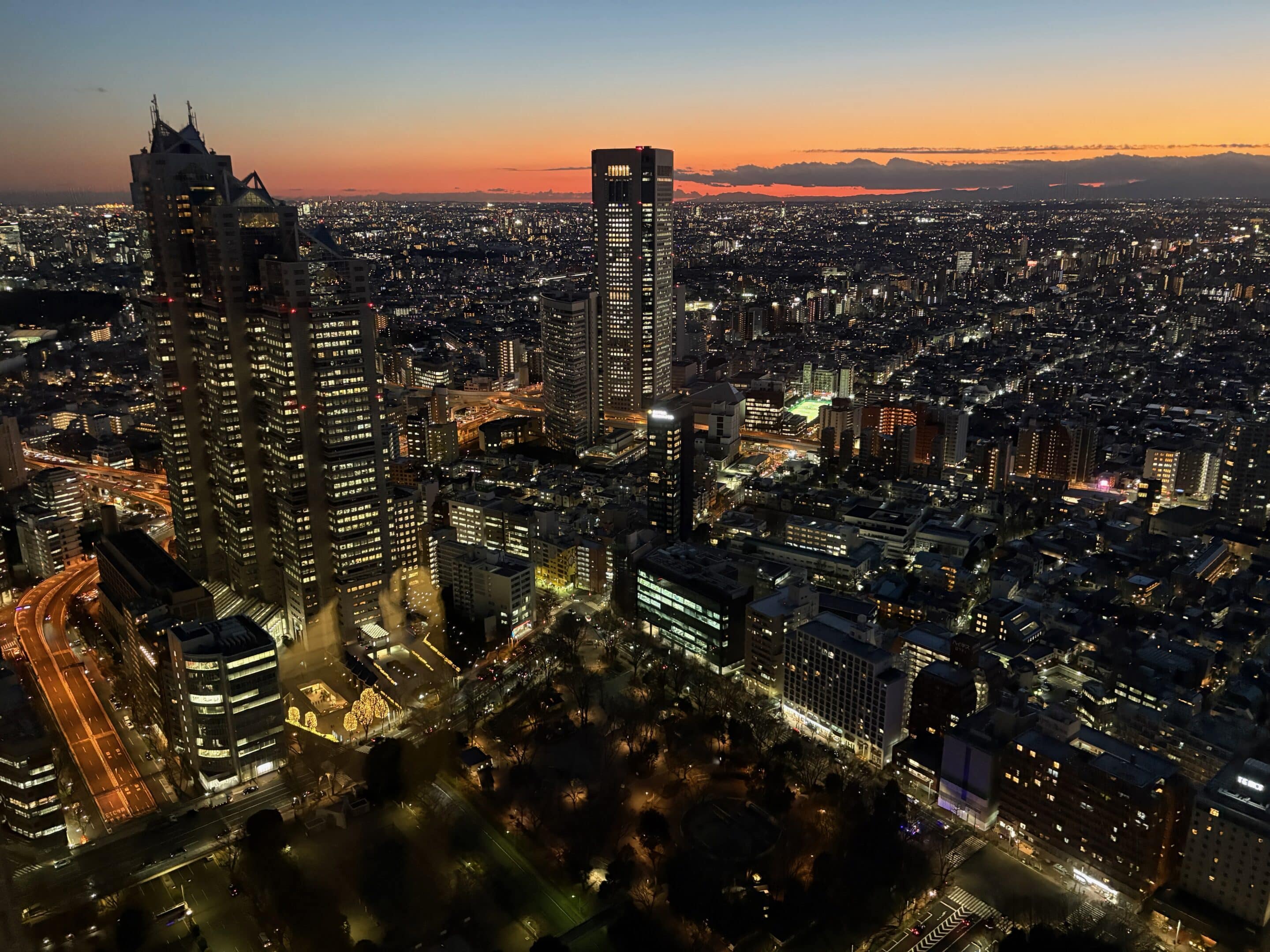
Shinjuku is one of the most popular places to stay in Tokyo. It’s home to the busiest train station in the world, meaning it’s a good jumping off point. But, this is also a drawback as I find this station to be too chaotic. However, the nightlife here is great if you enjoy this aspect of Tokyo.
This neighborhood is best for: Nightlife, a good train station, and plenty of nearby amenities.
Potential downsides: It feels quite chaotic, it can feel a bit sketchy in some areas late at night, and it is also one of the most expensive neighborhoods to stay in.
Shibuya
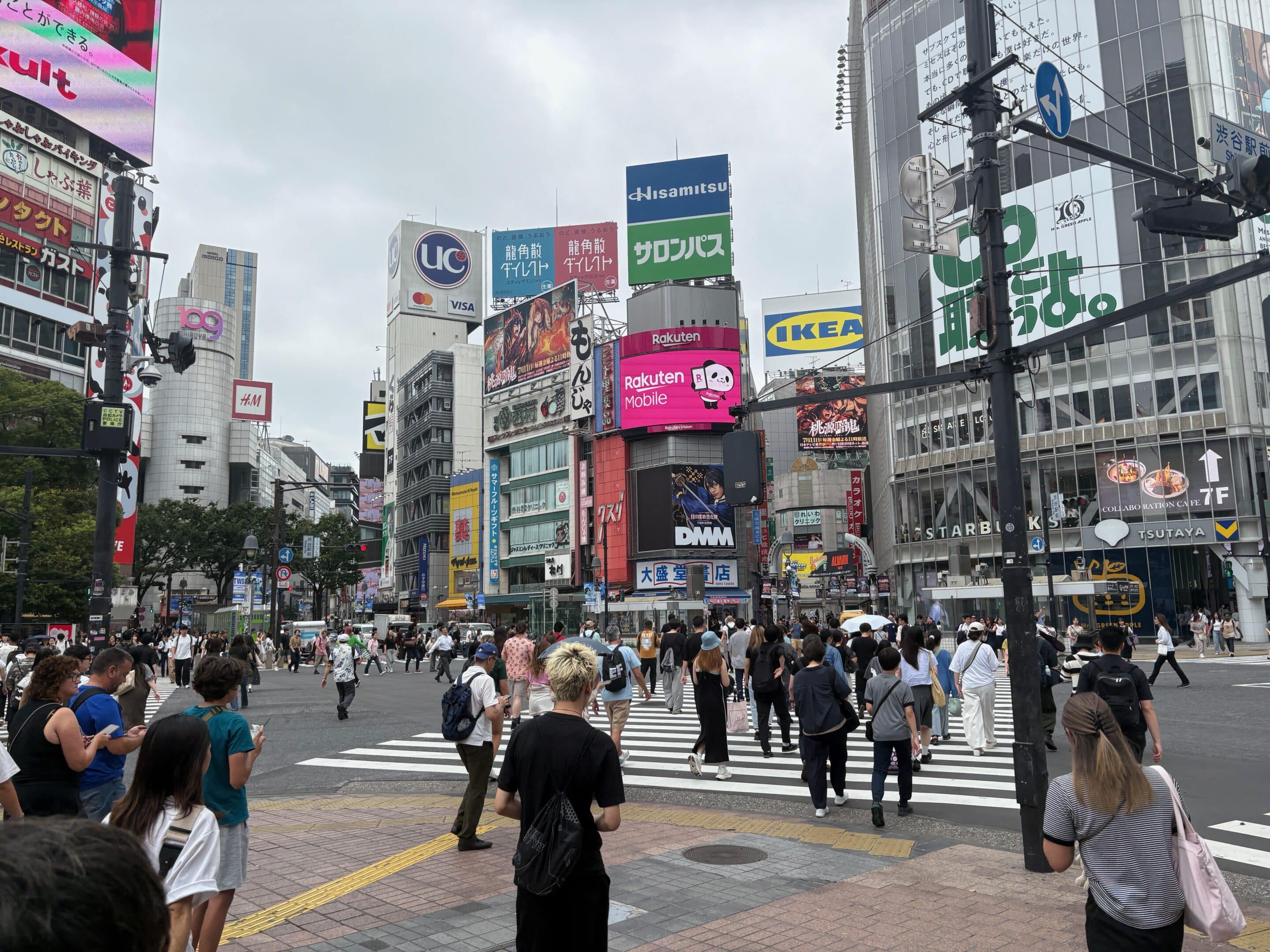
Shibuya is located 3 train stations stops away from Shinjuku, but it feels like you are transported to another world when you arrive. It is also home to a ton of shopping, and the train station makes it incredibly easy to go anywhere in Tokyo.
This neighborhood is best for: Nightlife, a good train station, and plenty of nearby amenities.
Potential downsides: Shibuya does feel quite dirty for Tokyo standards, and you might find the streets to be a bit overwhelming at times just due to the sheer number of people.
Ginza / Tokyo Station / Marunouchi
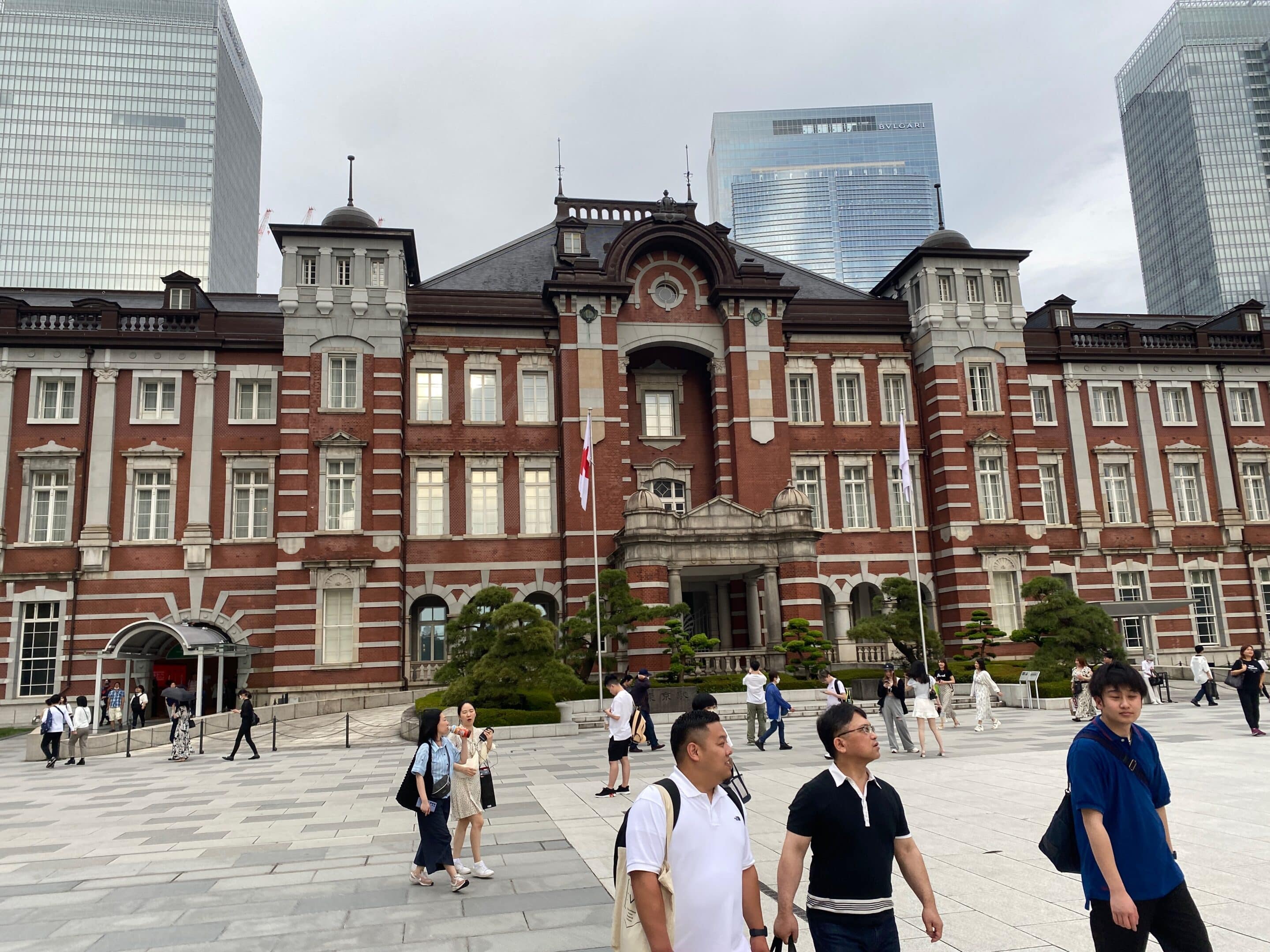
This is probably the closest thing to “Downtown Tokyo”, as it is where most large offices are. Ginza is where you’ll find all of the high end retail stores, and as a result the area is quite expensive, and also lacking in mom and pop restaurant. Many American hotels are in this area too, and this is also where Shinkansen trains leave from.
This neighborhood is best for: Luxury shopping, luxury hotels, and easy access to anywhere in Japan.
Potential downside: Not very “authentic”, expensive, and less local restaurants.
Asakusa
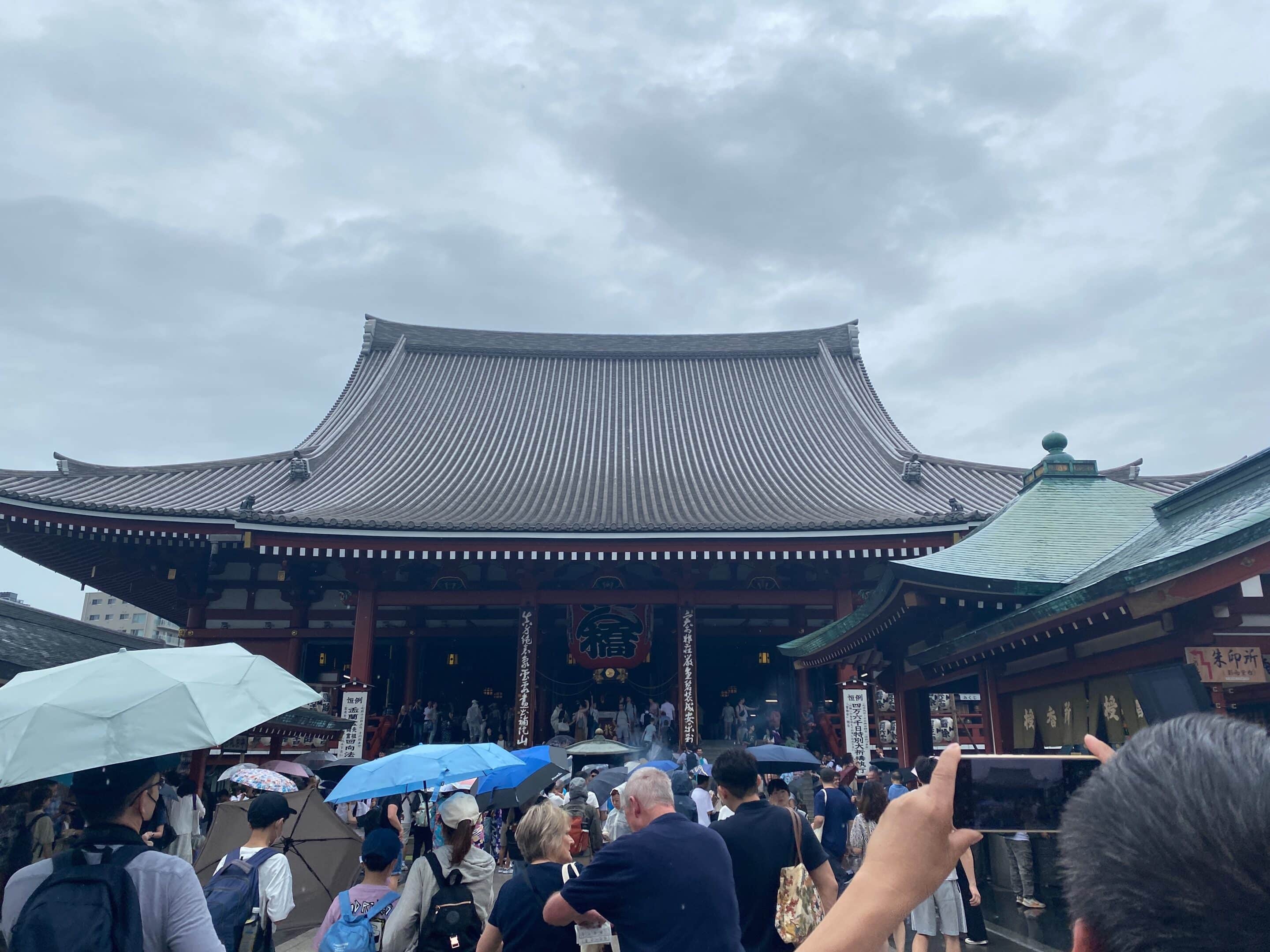
Asakusa has a more traditional feel, with Senso-ji Temple, older streets, and a calmer pace. It’s a great place to stay if you want Tokyo to feel more historic.
Asakusa is probably the best balance of being a “historic” Tokyo neighborhood while also having a lot of touristy attractions. Since it is located in the eastern parts of Tokyo, you can take the Toei Asakusa line from Asakusa station to both Narita and Haneda Airport. I find hotels here are also a bit cheaper than places like Shinjuku or Shibuya. Asakusa is also home to the iconic Senso-ji temple.
This neighborhood is best for: A “historic area” of Tokyo, easy access to and from the airport as well as the rest of the city, plus hotels are cheaper.
Potential downsides: Not as centrally located as some other areas of Tokyo.
Ueno
Ueno is known for its large park, museums, and a more local atmosphere. Hotels can sometimes be cheaper here than Shibuya or Shinjuku.
Ueno is known for its zoo, large park, and also its nearby fish market. The location is also fantastic as it is about a 15 minute walk to Akihabara and offers a convenient express train to Narita Airport as well as Shinkansens going to Northern/Eastern Japan.
This neighborhood is best for: Museums, green space, and walkability to other neighborhoods.
Potential downsides: Hotels in this area may be a bit more expensive.
Roppongi/Azabu/Toranomon
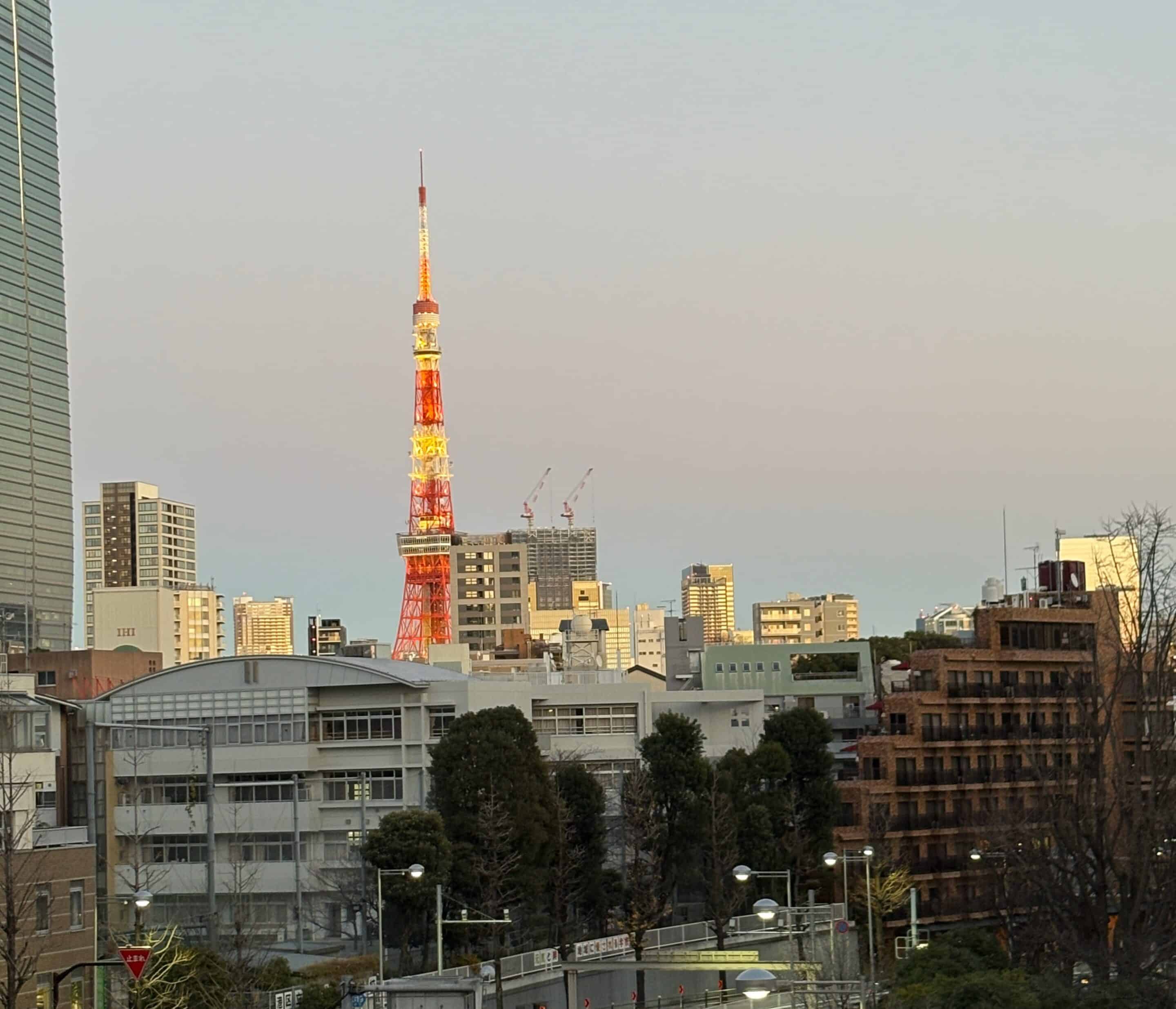
Roppongi is very international, with embassies, luxury properties, and nightlife. The surrounding area is home to a lot of American hotels as well.
Best for: luxury points hotels, nightlife, and being close TeamLabs Borderless
Potential downsides: can feel “sterile” compared to other places, and it’s very easy to get lost in Roppongi Hills.
Akasaka
Akasaka is underrated, though becoming quite popular as it is probably the most central Tokyo neighborhood yet it is also calmer than Shinjuku is.
Best for: It’s central location without much chaos.
Potential downsides: The area doesn’t have any famous sights.
Odaiba/Toyosu
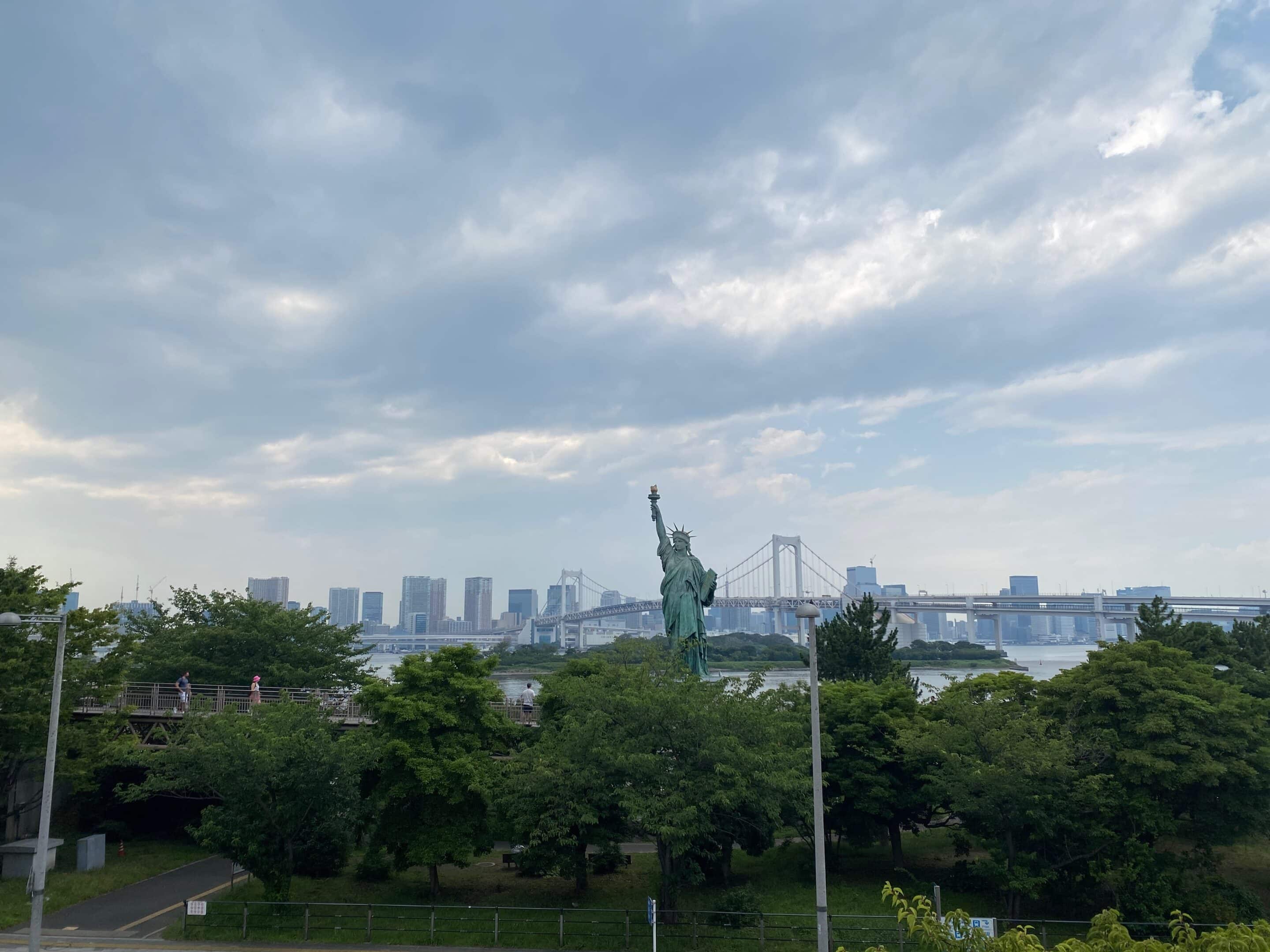
Odaiba and Toyosu are located on islands in Tokyo Bay. Odaiba is home to some amazing views of the Maranouchi area, as well as a Statue of Liberty (yes!) a Hilton, and a decent amount of shopping. Toyosu is home to the Toyosu Fish Market plus TeamLabs Planets. The big drawback to this area is the location. It’s quite inconvenient to get to the main sights of Tokyo, as you’ll be spending an extra half hour each way on the train.
Best for: repeat visitors, aesthetics, relaxed Tokyo
Potential downsides: fewer big tourist sights nearby
How to Get Around Tokyo
Tokyo can be confusing on day one, mostly because the rail system looks insane on a map. But once you understand how it works, it’s extremely easy.
Tokyo might look daunting. I mean, if this map doesn’t look daunting to you, then I don’t know what will!
Here’s All You Will Need
You don’t need to memorize the train lines. You just need:
- Google or Apple Maps (Apple Maps is a bit more cleaner in my experience)
- an IC card (Suica/PASMO)
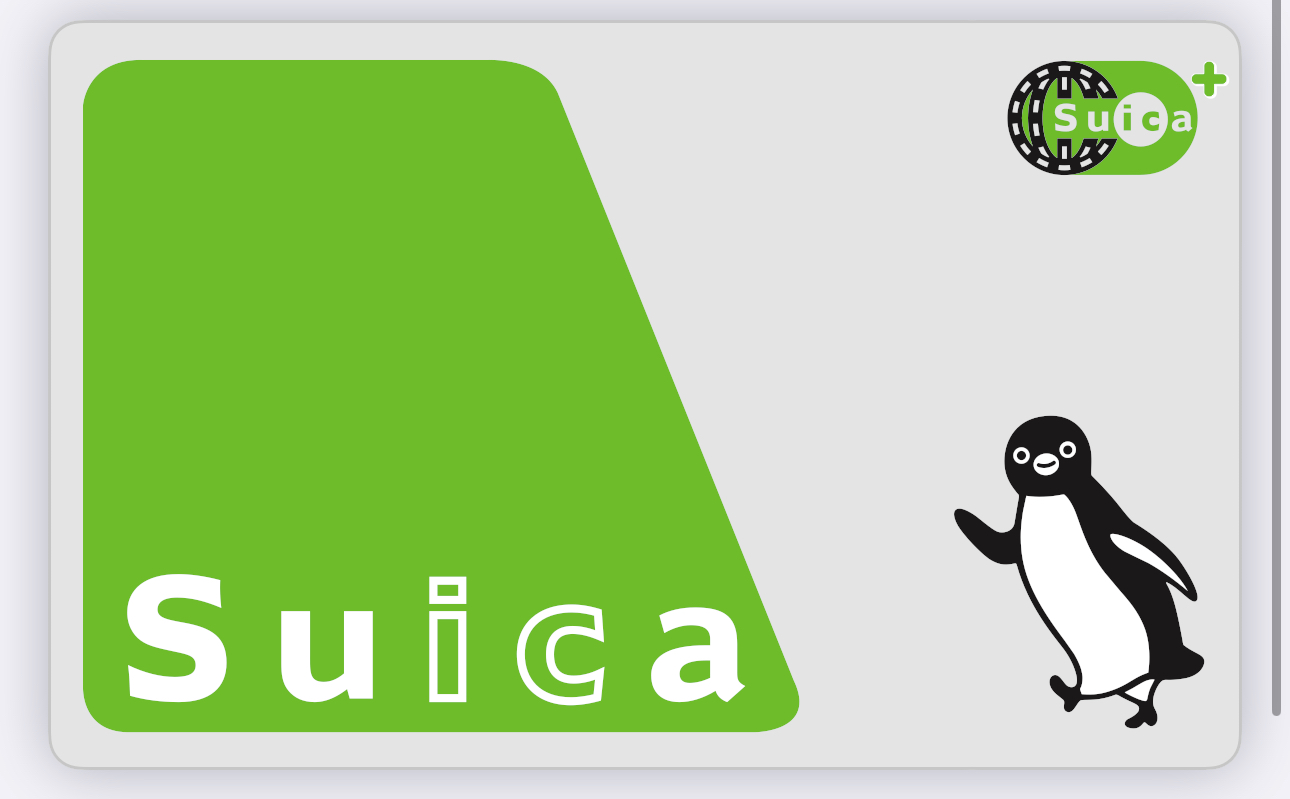
Suica / PASMO (IC Cards)
If there is one thing you should get for your Japan trip, it’s an IC Card. An IC Card acts like a debit card, and can be used for:
- Pretty much all trains and subways in Japan (there are some exceptions)
- Some buses
- Some vending machines
- Convenience stores (7-Eleven, FamilyMart, Lawson, etc.)
- Other stores such as Uniqlo
- Train station lockers
- Fast food restaurants such as Matsuya
This card is such a timesaver for your trip. It allows you to simply tap in and out of train stations, which is far better than going to a kiosk to buy tickets for every journey that you make.
To buy one, you can either go to the train station and purchase one. You can buy PASMO cards at Tokyo Metro, Keisei Line, Odakyu, and Toei Subway stations, and at JR East stations you can purchase a Suica card. If you originate in Osaka, for example, then this is part of the JR West region, which only sells ICOCA cards. However, these cards are interchangeable, so you can use these in other cities (with limited exception) and top them up as needed.
At Narita and Haneda Airport, you can purchase a Welcome Suica card, which has no deposit but it expires in 28 days. On the other hand, a new Suica card has a cost of ¥2,000 (¥1500 credit + ¥500 deposit) and a Pasmo card has a deposit of ¥500. These both expire after 10 years of the last use.
Note that all physical cards are cash only, but they can be topped up at train stations and convenience stores. If you have an iPhone, then you can also get a Suica, PASMO or ICOCA card through the Wallet app. This enables you to simply tap your phone at fare gates and also use a credit card. On the other hand, if you want to use cash then you can still top it up by putting the card into service mode.
Tokyo’s Many Rail Operators
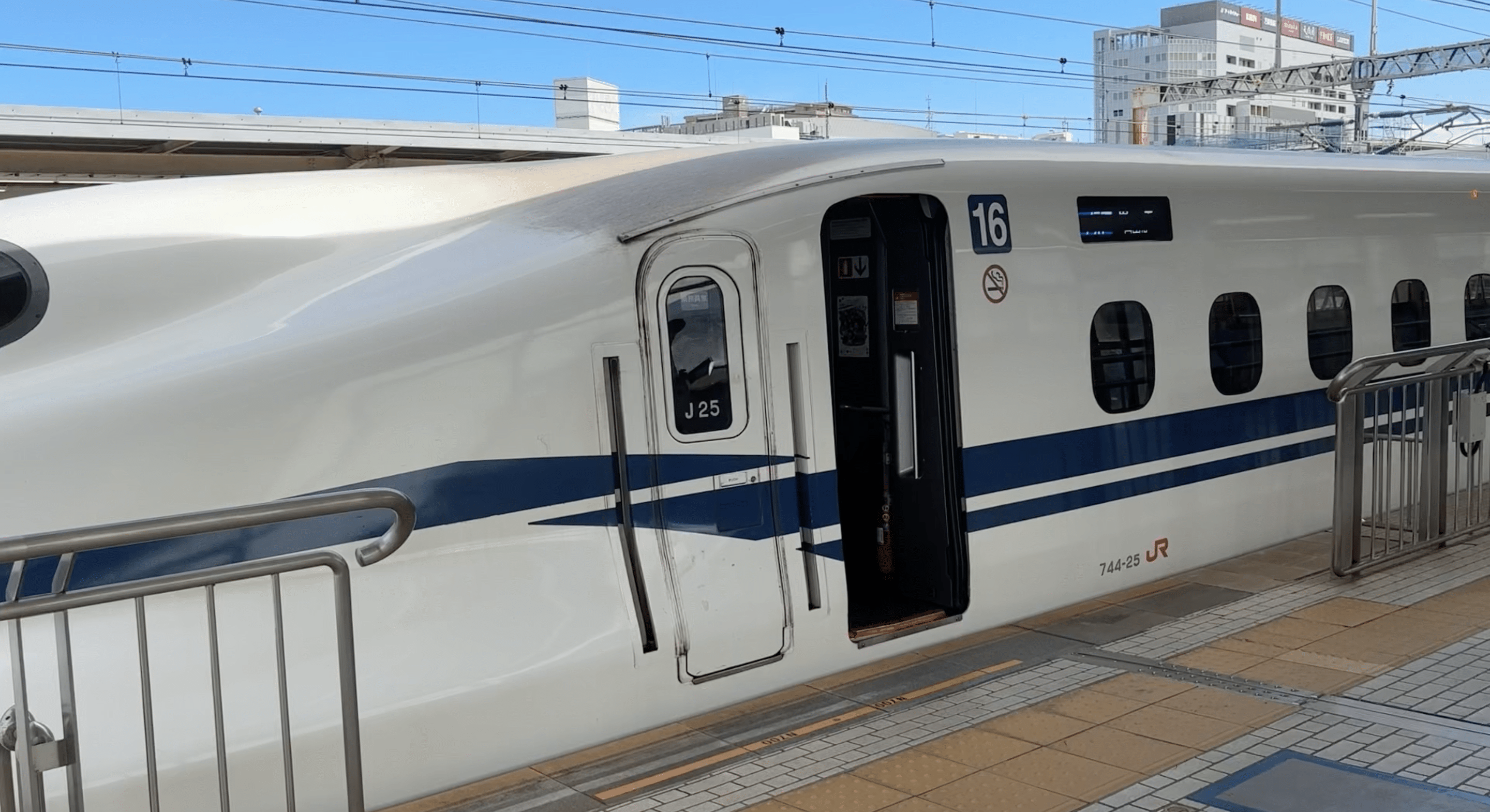
London, for example, only has one subway operator: Transport for London. But Tokyo has 48 different companies. This means that if you are going from, say, Asakusa to Harajuku, then you will first have to take the Ginza Line, operated by Tokyo Metro, to Shibuya, and then take the Yamanote Line operated by JR East which requires two different tickets. Thanks to the Suica card, this is straightforward, but it is also why it doesn’t make sense to get a public transport day pass in Tokyo, as it can’t be used on all trains. Overall, you don’t have to worry about who is operating the train, as it is all equally safe and easy, but here are some of the key companies:
- JR East: includes the famous Yamanote Line loop, which loops around Tokyo. They also operate Tokyo Monorail which goes to Haneda Airport.
- JR Central: JR Central operates many trains around Central Japan (Nagoya), but they also operate the Tokaido Shinkansen, which runs from Tokyo to Shin-Osaka station.
- Tokyo Metro: Probably the most useful operator given that they go to so many touristy places.
- Tokyo Metro: Operates the Asakusa Line, which continues on to the airport.
- Private railways: Show up when you go towards the outskirts of Tokyo, but Keisei is the company that operates to Narita, and Keikyu goes to Haneda.
Take Note of When the Last Train Leaves
If you want to stay out late, then it’s important to keep an eye on the time! That’s because unlike New York City, Tokyo trains do not operate 24/7. As a result, most trains stop around midnight, which means if you stay out late, then you will need to take a taxi. I have cut it a bit too close myself, so I would recommend trying to take the second to last train so there’s a fallback if you miss that.
Taxis in Tokyo (When They’re Worth It)
As you would expect, Japanese taxis are safe and reliable. But they are quite pricey, even compared to US prices. I have never taken a taxi in Tokyo, but they do make sense if you are tired or missed the last train. Even with 4 people taking the train is still more cost efficient 95% of the time.
Best Apps for Tokyo:
These apps will make your trip a lifesaver:
- Apple or Google Maps
- Google Translate (the camera option is incredible)
- Suica/PASMO in Apple Wallet (a helpful timesaver)
Getting to Tokyo (Haneda vs Narita)
Tokyo has two major airports. Up until the 2010s, it used to only be possible to fly long haul into Narita. But, that changed. So you can now fly from the following cities to Haneda from North America:
- Los Angeles (LAX)
- San Francisco (SFO)
- Seattle (SEA)
- Honolulu (HNL)
- Houston (IAH)
- Chicago (ORD)
- Minneapolis (MSP)
- Vancouver (YVR)
- Atlanta (ATL)
- DC (IAD)
- Detroit (DTW)
- Toronto (YYZ)
- New York (JFK)
Haneda (HND)
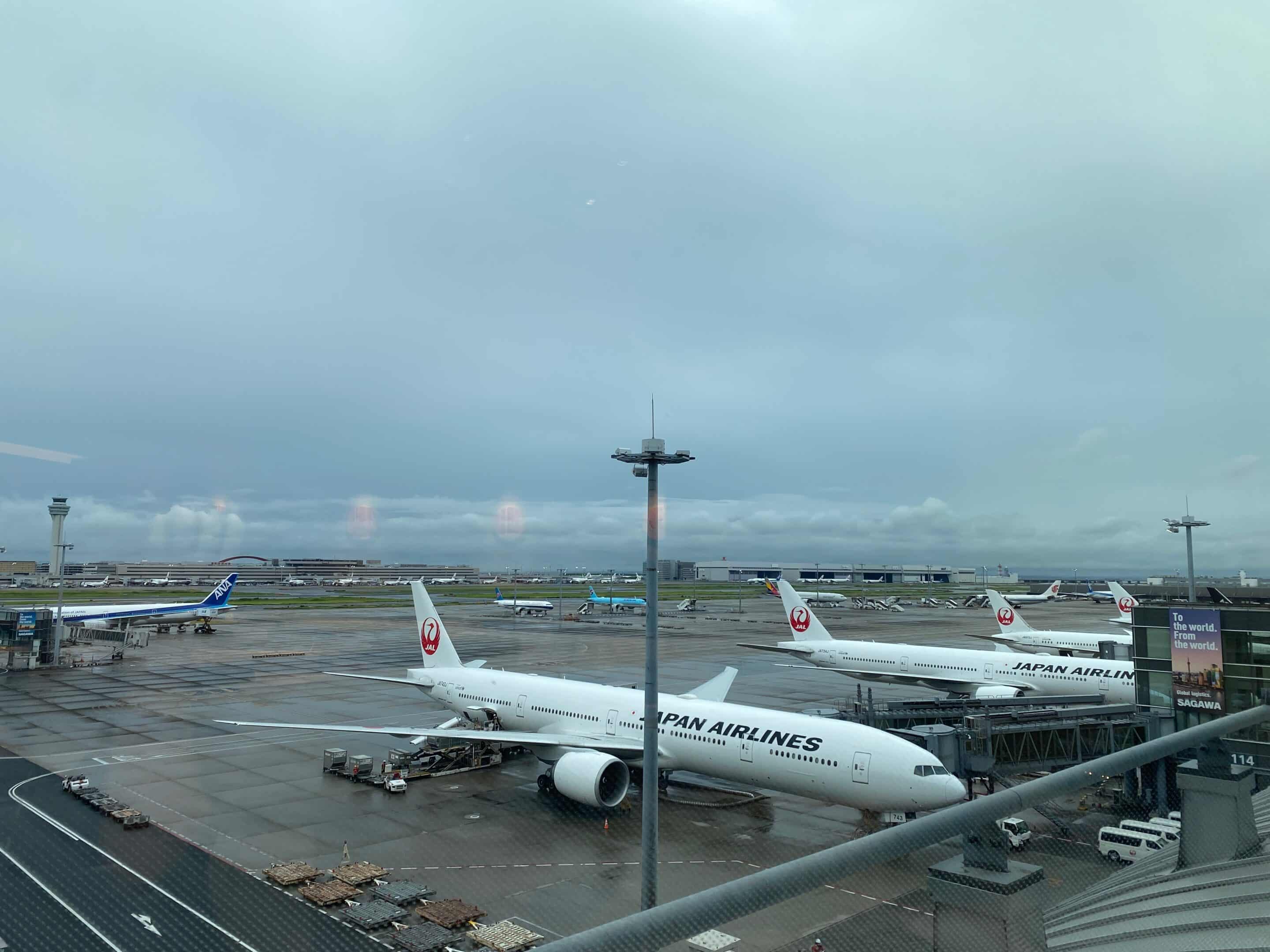
Haneda is closer to central Tokyo and usually the best airport to fly into if you can. To get into Tokyo, you can either take the Tokyo Monorail or the Keikyu Airport line. There are also an endless amount of limousine buses which may even take you straight to your hotel. If you are going onwards to Osaka, Fukuoka, etc., then there’s a very good chance your flight will leave from Haneda.
Why Haneda is great:
- It’s quicker into the city (especially East Tokyo)
- Often cheaper public transit
Narita (NRT)
Narita is farther away, but still completely manageable. Personally, I find flights to Narita to be hundreds of dollars cheaper which makes the added hassle worth it. A lot of long-haul flights as well as flights to other Asian cities still use Narita and you may find better timed flights as well.
If you are going to Ueno or Asakusa, I also find it to take about the same amount of time to Narita as it is from Haneda, meaning it’s best to pick the cheaper flight.
The quickest way into the city is the Keisei Skyliner train. At ¥2550, it’s the premium option, but it will get you to Ueno in about 40-45 minutes. There’s also the Narita Express which goes to Ōfuna, Shinagawa, Shinjuku, Shibuya, and Tokyo Station. But this is more expensive than the SkyLiner so I don’t recommended this. Besides that, there’s also a bus that takes an hour to either Ginza or Tokyo Station and this costs ¥1500. The subway which turns into the Asakusa Line at Oshiage station is ¥1300, but quite crowded and doesn’t offer WiFi so I would recommend taking the bus instead.
Narita is fine if:
- the flight is a better deal
- it fits your schedule
- You are staying in eastern Tokyo
Tokyo Guide Part 1 – Final Thoughts
Planning a trip to Tokyo can seem daunting, but once you understand how the transport system all works, where to base yourself, and which airport makes the most sense to fly into, then it makes navigating this megacity a piece of cake. In Part 2 of this guide, I’ll move away from logistics and focus more on the fun side of things, like the best things to do during your time, a few easy day trips, and a breakdown of wear to stay.
What are your thoughts in Tokyo? Let me know below!
Leave a Reply